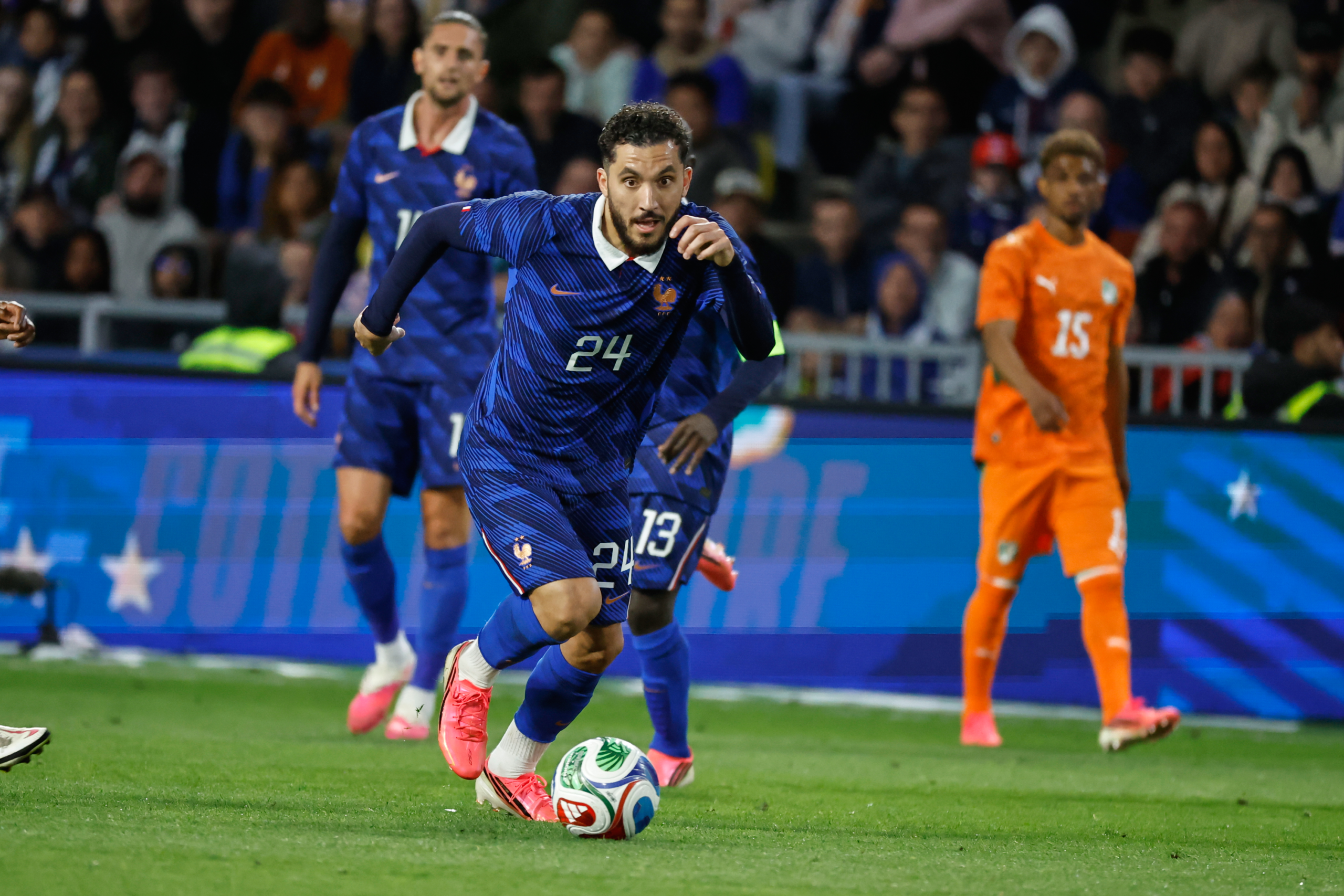
Injury-prevention technology has moved from the medical room into the core of how teams train, select, and manage players, which inevitably changes the intensity and patterns we see on the pitch. By tracking load, movement, and fatigue through wearables and AI models, staff try to keep key players available over long campaigns, and those choices show up live in pressing intensity, rotation, and how often stars actually complete ninety minutes.
Why tracking load matters for what you see on match day
Elite footballers now play so many high-intensity matches that unmanaged workload becomes one of the biggest drivers of soft-tissue injuries. Research across team sports shows a clear link between sudden spikes in training or match load and increased muscle injury risk, especially in hamstrings and other lower-limb structures.
Clubs respond by using GPS and accelerometry data to monitor distance, high-speed running, accelerations, and decelerations across sessions. When the numbers indicate that a player’s acute workload has jumped well above their typical chronic level, staff know that keeping them in the red zone for too long makes an in-game injury more likely, which can prompt earlier substitutions or managed minutes even when a player looks fine to the naked eye.
The role of wearables in injury prevention
Wearable devices—GPS vests, smart shin guards, boot sensors, and inertial units—have become standard tools for quantifying what players actually do in training and matches. These systems track positional and movement data in real time, allowing staff to see how many high-speed efforts, cutting actions, or impacts a player has accumulated relative to their baseline.
Scoping reviews of wearables in sport highlight two key applications for injury prevention: monitoring training adaptation and identifying risky patterns such as high acute-to-chronic workload ratios or asymmetrical movement loads. Used well, the data supports more individualised training plans and recovery protocols, helping teams reduce the incidence of non-contact injuries without dropping overall performance intensity.
How AI and predictive models influence selection and substitutions
Beyond raw GPS numbers, clubs and national teams are increasingly using machine learning to predict injury risk from complex data sets that combine workload, physical screening, and sometimes contextual factors like schedule congestion. Reviews of these models in football and other sports show that they can classify players into higher and lower risk groups, though the precision varies and remains an active research area.
Some platforms now offer dedicated “player injury risk monitors” or similar tools that turn continuous load data into risk scores for staff, flagging when a player’s combination of recent minutes, high-speed work, and previous injury history pushes them toward a threshold where the chance of breakdown rises sharply. When you see a coach rotate unexpectedly or withdraw a key player after an hour, those decisions often reflect these invisible risk calculations as much as tactical considerations.
What viewers should watch for during ดูบอลสด when tech shapes player management
When you ดูบอลสด or follow full matches in competitions where teams lean heavily on injury-prevention tech, some patterns become easier to interpret once you know the underlying logic. Rotations in the front line or full-back positions, for example, often line up with periods of dense fixture congestion and high sprint loads, because these roles generate the most high-speed efforts and decelerations.
Across ninety minutes, you can watch for whether coaches substitute players more on a “minutes and intensity clock” than on obvious fatigue signals. When a winger who still looks sharp comes off around minute 65 while others stay on, that often suggests the staff are protecting a player whose recent load and injury history show less margin. Over a season, tracking how often teams keep the same eleven together for third games in a week can reveal how strongly they trust their monitoring systems versus taking short-term risks to maintain rhythm.
Key injury-prevention technologies and their tactical footprints
Different technologies tend to leave different fingerprints on how matches look, because they shape how staff perceive risk and adapt training or selection. Seeing those links helps you connect off-pitch science with on-pitch patterns you can actually observe.
| Technology or method | What it measures or does | How it can change what you see in a match |
| GPS and accelerometry wearables | Distance, speed bands, accelerations, decelerations, and sometimes impacts | More planned rotation in high-speed positions, controlled pressing intensity, and occasional early substitutions of key runners |
| Acute-to-chronic workload monitoring | Ratio of recent load (days–week) to longer-term baseline | Periodised dips in intensity around congested fixtures and deliberate “lighter” games for certain players |
| AI-based injury risk prediction models | Multi-factor risk scores combining load, history, and screening data | Unexpected squad changes or conservative use of players flagged as high risk, even in big matches |
| Movement-quality and asymmetry analysis | Asymmetries in step patterns, load between limbs, and unusual movement signatures | Targeted rest or role tweaks for players returning from injury, visible in how often they sprint, cut, or are rotated between flanks |
For fans, the important link is that these tools are not abstract; they feed into concrete choices like “Who starts?”, “How high do we press?”, and “When do we manage the minutes of our most explosive players?”
A simple sequence for reading injury-prevention decisions live
Because you cannot see dashboards from the stands or the sofa, it helps to use a simple sequence to infer how injury-prevention thinking might be shaping the game in front of you. The goal is not to guess medical details but to connect visible management patterns to underlying workload logic.
- Before kick-off, compare the line-up to recent matches and note where fresh legs appear, especially in high-sprint positions like wide forwards and full-backs; repeated rotation in these roles across dense runs of fixtures often signals load management.
- In the first 20 minutes, watch pressing intensity and repeat sprints from recently injured players: if they rarely join high presses or only sprint in select situations, staff may be easing them back despite nominal “full fitness”.
- Around the 55–70 minute window, pay attention to substitutions of key runners and the pattern of their efforts in the preceding ten minutes; pre-planned changes based on risk thresholds often occur before obvious visible fatigue.
- Across several matches, track whether a team’s intensity profile remains stable even as personnel change—if pressing behaviours stay consistent while names rotate, it suggests the tactical model is fixed while the medical and performance staff manage who can execute it safely.
- When a squad suddenly looks flat late in a congested period, consider whether a reluctance or inability to rotate (due to injuries, depth, or trust in backups) has forced staff to stretch their risk tolerance beyond ideal thresholds.
This sequence does not tell you exact metrics, but it builds an intuition for when teams are making choices “for the legs” rather than purely for the scoreboard or tactical matchups.
Where technology strengthens or weakens injury prevention
Evidence suggests that monitoring and managing load can significantly reduce soft-tissue injury risk when applied consistently, especially by avoiding large spikes in work compared with an athlete’s recent baseline. Wearables and AI help staff spot those spikes early, and structured load-management programmes align with better availability across seasons, which in turn stabilises tactical systems and line-ups.
At the same time, reviews of injury-prediction models caution that current AI tools are far from perfect and can misclassify players or overfit to specific data sets. If staff lean too heavily on unvalidated models or misinterpret signals, they might rest players unnecessarily or, worse, miss genuine risk, leading to injuries despite heavy investment in monitoring. For viewers, that uncertainty explains why some clubs seem conservative with rotations and others push key players harder: different groups trust their models and thresholds to varying degrees.
Summary
Injury-prevention technology has become a quiet but powerful influence on modern ดูบอลสด changy, turning GPS tracks, workload ratios, and AI risk scores into concrete decisions about who plays, how hard they press, and when they are withdrawn. When you watch full matches with these tools in mind—looking at rotation patterns, intensity profiles, and substitution timing—you can read not just the tactical plan but also the underlying attempt to keep key players available across crowded calendars, making future performances easier to interpret through the combined lens of strategy, physical load, and long-term squad management.
Leave a Reply