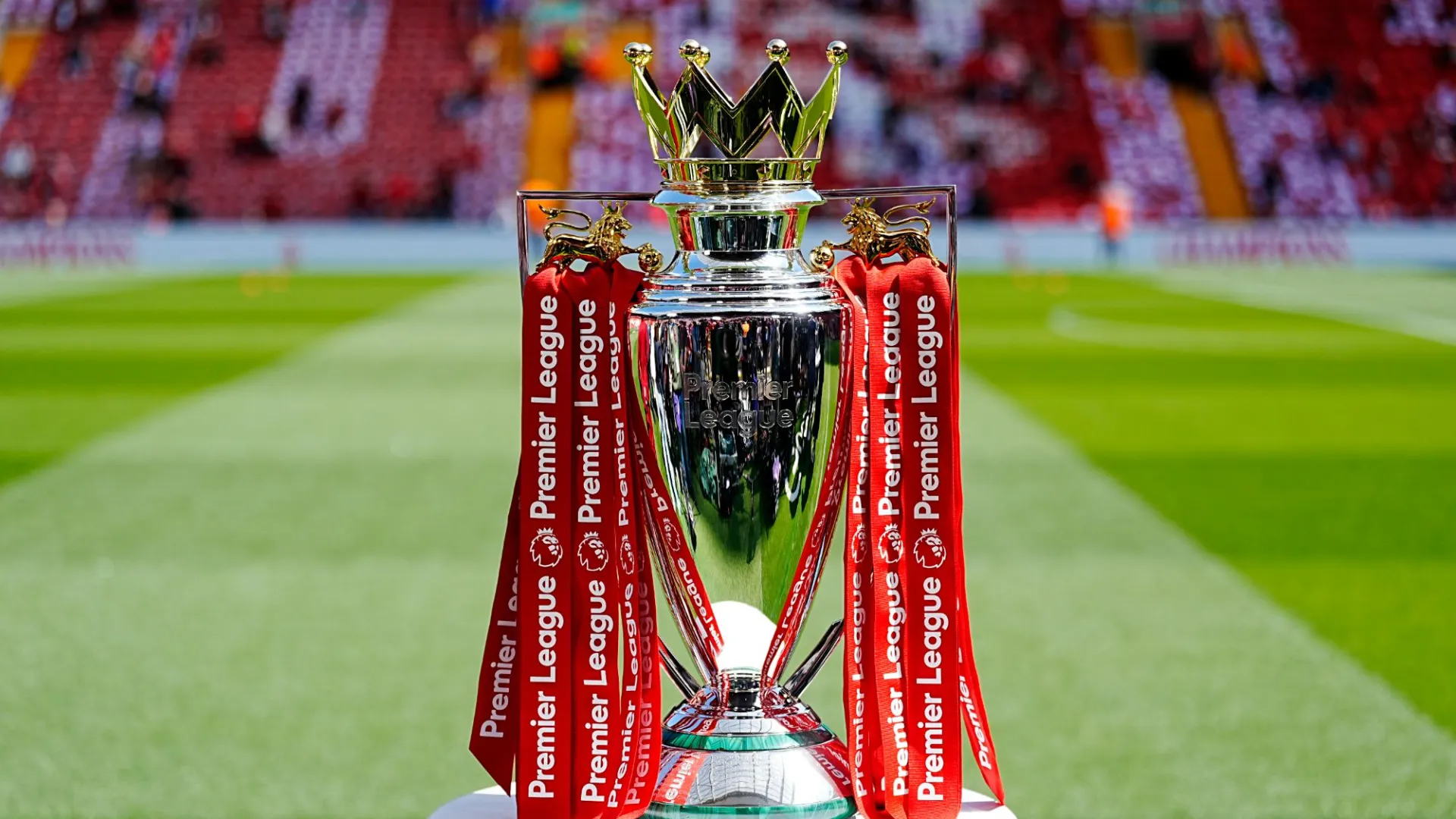
When bettors look back at the 2016/2017 Premier League season, the most useful question is not who lifted the trophy, but which clubs consistently returned profit relative to the odds that were available each week. Profitability here means something precise: if you had staked the same amount on a team to win every league game, would you have finished ahead or behind by the final day, and what does that say about how markets priced them?
How “most profitable team” is actually measured
To talk about which team “made the most money” for bettors, you need a clear, repeatable metric; most season‑end analyses assume a flat stake on every league match and track the total profit or loss if you backed the same side to win every time. In a widely cited review of 2016/2017, analysts calculated that Crystal Palace were the single most profitable club to back on this basis, despite finishing only 14th in the table, because their few but dramatic upsets paid at high prices. Chelsea, by contrast, won 30 games and dominated the league, but their status as regular odds‑on favourites meant that blindly backing them each week often produced a smaller edge or even a modest loss once bookmaker margins and the occasional upset were accounted for.
Why Crystal Palace topped profitability charts
Crystal Palace’s 2016/2017 campaign illustrates how a mid‑table club can end up more profitable than the champions purely because of the relationship between odds and outcomes. They finished 14th with a negative goal difference, yet season‑long profitability tables show that staking a level amount on Palace to win every league fixture would have returned the highest overall profit of any Premier League side that year. The key driver was a handful of high‑priced victories, most notably their shock win at Stamford Bridge against Chelsea, which a season review estimated would have turned a hypothetical £10 per‑game staking plan into roughly £128.70 of net profit by the end of the campaign.
Mechanism: how underdog wins outweighed routine losses
Understanding why Palace were so lucrative requires separating frequency of wins from the size of the prices attached to them.
- In many matches, especially away to big clubs, Palace were sizeable underdogs, so their win odds were long enough that a single success could offset several losing bets.
- When they did pull off those wins—such as the away victory over Chelsea—the payout multiple on each flat stake dwarfed the cumulative outlay on earlier defeats, turning a modest strike rate into positive profit.
- Because markets priced Palace based on their modest league position and inconsistent form, they routinely offered more generous odds than their actual upset potential, especially under managers who set up well tactically for big matches.
The outcome is counter‑intuitive but mathematically clean: a volatile mid‑table team with a few huge wins can be a better long‑term earner than a champion whose short prices leave little room for error.
Other team profiles that frequently rewarded bettors
While Palace led the league in raw profitability under a flat‑stake “back them every time” model, other clubs created distinct value niches that experienced bettors tapped into more selectively. Burnley, for example, were repeatedly highlighted in 2016/2017 betting retrospectives for their strong home record relative to reputation; they offered particularly good returns when supported at Turf Moor where markets often underestimated their resilience. Conversely, some mid‑table sides delivered positive returns only in specific roles—such as home underdogs against complacent favourites or evenly priced matches against fellow strugglers—rather than across the entire season slate. Chelsea and Tottenham, meanwhile, rewarded bettors who were highly selective, backing them in structurally favourable fixtures, but rarely generated raw season‑long profit for anyone who blindly took them at every short price on offer.
Comparing headline profitability across key teams
To translate these ideas into a more concrete comparative view, it helps to summarise the season‑end profitability insights that have been published, bearing in mind the flat‑stake assumption.
| Team | Final league position | Flat‑stake profitability signal (backing every league match) | Main reason for outcome |
| Crystal Palace | 14th | Reported as the most profitable team to back in 2016/2017. | A few high‑priced upsets, notably at Stamford Bridge, outweighed frequent losses. |
| Burnley | 16th | Often cited as profitable at home, less so overall. | Strong home performances priced as underdogs created value, offset by poor away results. |
| Chelsea | 1st | Strong results but limited or mixed profit under flat‑stake models. | Frequent odds‑on quotes left little edge; a few surprise defeats hurt returns. |
This snapshot underlines an important betting truth: the “best” team on the pitch is not necessarily the team that makes you the most money; it is the team whose results repeatedly exceed what the odds had implied. For bettors, the cause‑effect chain runs from market expectations through to outcomes and then into profitability, not the other way around.
What made some clubs consistently under‑ or over‑valued
Behind those profitability numbers sit recurring patterns in how markets and the public perceived certain clubs during the 2016/2017 season. Crystal Palace’s squad quality and inconsistent form meant they were regularly priced as clear underdogs, but they also possessed pace and tactical flexibility that made them more capable of springing upsets than their odds suggested. Burnley, on the other hand, were widely branded as a struggling small club, yet their home performances—discipline, aerial strength, compact shape—consistently frustrated visitors in ways that slowly but steadily turned generous home lines into profit. At the opposite extreme, big‑name sides with large fanbases, particularly Manchester United, often attracted heavy casual money that shortened their odds even when their on‑field performances, including a high number of draws, did not fully justify those prices.
Mechanisms that turned perception into profit or loss
Several mechanisms explain how these perception gaps translated into concrete betting results across that season.
- Brand overvaluation
Large global clubs drew more recreational stakes, which pushed their odds down slightly below fair value, making them less profitable in the long run despite strong squads. - Narrative inertia
Media narratives about “struggling” sides or “relegation candidates” sometimes lagged behind tactical improvement or managerial change, keeping lines on improving teams too long for too long. - Structural home advantage
For teams like Burnley, stadium atmosphere and tactical design created repeatable home edges that modelling and casual opinion initially underweighted, sustaining value until the market fully adjusted.
Each mechanism shows that profitability arose where human expectations moved slower than underlying performance, which is exactly where value‑orientated bettors try to operate.
How real bettors experienced these teams across the schedule
From a practical perspective, regular bettors in 2016/2017 often describe their experiences with certain clubs as “feel‑based” at first—Palace as chaotic giant‑killers, Burnley as annoying home spoilers—but those intuitions usually reflected patterns that season‑long profitability numbers later confirmed. Palace backers remember cashing unexpectedly large tickets against big opponents, while those who consistently opposed them at short odds in home favourites roles recall painful reversals, reinforcing that role and context mattered more than club name. Likewise, players who systematically supported Burnley at Turf Moor and largely avoided them away could point to a steady, less spectacular profit curve that would not be obvious from the raw league table alone. Over time, those lived experiences aligned with the data‑driven conclusion that profitability clustered around specific clubs in specific roles, not uniformly across all fixtures.
Where betting venues fit into the profitability story
Even when you know which teams were most profitable in 2016/2017 under a flat‑stake model, your ability to reproduce or improve on those results depends on the odds and markets you actually face. Real bettors often compared several operators during that season, looking for small but consistent deviations in prices on underdogs, home sides and niche markets, because even a few extra ticks of price can materially alter long‑term returns. When someone includes a service such as ufabet in that comparison, the analytical question is whether its Premier League pricing on Palace‑type underdogs or Burnley‑style home sides tends to sit above, below or in line with broader market numbers; only by measuring those differences can you tell whether backing the same angles through that particular sports betting service would replicate or dilute the historical profitability that season reviews describe.
How to translate 2016/2017’s profitable teams into future strategy
The most productive way to use these insights is not to memorise which clubs made money in 2016/2017, but to understand why they did and then look for analogous patterns in any future league season. Crystal Palace’s example tells you to watch for mid‑table sides with tactical tools to hurt big teams and odds that consistently underrate that threat, especially away from home. Burnley’s story at Turf Moor shows the value of tracking home/away splits and recognising when a supposedly weak team is, in fact, a formidable host that deserves tighter odds than the table suggests. Combining those principles with disciplined staking and careful market shopping puts you in a position where “most profitable team” becomes a label you discover through your own data, not one you only learn in hindsight from someone else’s season review.
Summary
The Premier League 2016/2017 season demonstrated that the teams which made bettors the most money were not necessarily the champions, but the ones whose results most often exceeded what the odds had implied—Crystal Palace leading the way, with clubs like Burnley offering more subtle home‑driven value. Profitability emerged from a mix of long‑priced upsets, persistent underestimation of certain small clubs and slight overvaluation of big brands, all filtered through how individual operators set and moved their lines. For anyone serious about betting, the real lesson is to treat seasons like 2016/2017 as case studies in how perception, context and pricing interact, then apply that logic forward rather than simply chasing last year’s most profitable badge.
Leave a Reply