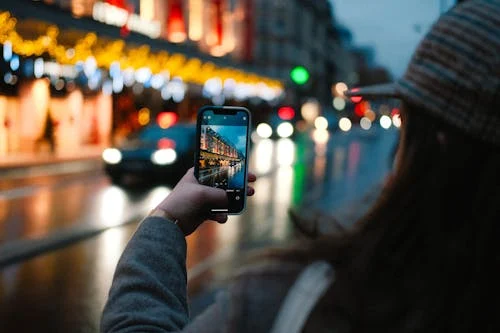
How to Take Professional Travel Photos Using Only a Phone
Travel photography used to require expensive cameras, multiple lenses, and a heavy backpack. Today, your phone can produce stunning, professional-level photos that capture the beauty of your adventures just as well as a DSLR—if you know how to use it correctly. And just like how the most expensive player in IPL auction becomes the center of attention because of skill and precision, your travel photos can stand out when you master a few simple but powerful techniques. With the right approach, even a basic smartphone becomes a tool capable of producing magazine-worthy images.
Below, you’ll find practical tips you can start using immediately, whether you’re exploring a new city, hiking through nature, or capturing moments on a weekend getaway.
Understand Your Phone’s Camera Settings
Most travelers take photos using auto mode, never realizing their phone has built-in tools that dramatically improve image quality. Spend a few minutes getting familiar with features such as:
- HDR Mode
This balances highlights and shadows, especially useful for landscapes and sunsets.
- Grid Lines
Turn on the 3×3 grid to use the rule of thirds—ideal for balanced, professional compositions.
- Manual Focus & Exposure
Tap to focus, then slide your finger up or down to adjust brightness. This single skill can instantly upgrade your photos.
- Ultra-Wide Lens
Perfect for architecture, beaches, and cityscapes. Use it to add scale and depth.
Mastering these small adjustments can make a huge difference.
Lighting Is Everything
Even the best phones depend heavily on good lighting. To achieve professional-looking photos:
- Shoot during Golden Hour
The warm, soft light just after sunrise or before sunset is every photographer’s best friend.
- Avoid Harsh Midday Sun
If you must shoot at noon, move to shaded areas or angle your subject away from the sun.
- Use Natural Reflectors
Bright walls, sand, snow, and water reflect light beautifully, helping illuminate your subject.
- Backlit Shots for Atmosphere
Placing the sun behind your subject creates dreamy silhouettes and glowing outlines.
Good lighting can turn an ordinary location into something magical.
Compose Your Shot Like a Pro
Composition is what separates amateur images from scroll-stopping travel photography.
- Rule of Thirds
Position key elements—horizon lines, buildings, people—along the grid lines or intersections.
- Leading Lines
Use roads, rivers, bridges, or pathways to guide the viewer’s eye into the photo.
- Include a Foreground Element
Plants, rocks, or railings add depth and make wide shots more immersive.
- Embrace Symmetry
Perfect for architecture, reflections, and city photography.
- Try Minimalism
A single subject against a clean background can create a striking, professional look.
Think before you shoot: what is the story you want your photo to tell?
Keep Your Lens Clean
This sounds obvious, but travelers often forget it. Dust, fingerprints, and sunscreen smudges can make your images look hazy. Before taking any shot, gently wipe your lens with a soft cloth or even your T-shirt. A clean lens alone can produce sharper, brighter photos instantly.
Use Perspective to Your Advantage
Changing your shooting angle can make the same subject look completely different.
- Shoot from Below
Captures dramatic architecture and makes buildings look more powerful.
- Shoot from Above
Perfect for food photos, flat lays, markets, and landscapes.
- Move Your Body
Don’t just stand still—walk around your subject, crouch, climb, or step back.
- Use Reflections
Mirror-like water surfaces and glass panels add creativity and symmetry.
Photography is not just what you see—it’s how you see it.
Capture Candid Human Moments
Travel photography is not only about landscapes. People bring stories, emotions, and culture to your images.
- Capture Travelers or Locals Naturally
People buying food, walking through markets, or enjoying the view make photos feel alive.
- Avoid Forced Poses
Let your subject move naturally—walking, laughing, looking away.
- Respect Privacy
In some countries, especially in rural areas, always ask before photographing locals.
Authenticity is what makes your travel photos timeless.
Use Burst Mode for Action Shots
Phones excel at capturing movement—waterfalls, wildlife, city bustle—but only if you use burst shooting. Hold the shutter to take multiple photos in quick succession, then choose the perfect frame. This is especially useful for:
- Jump shots
- Waves crashing
- Birds taking flight
- Street performers
- Fast-paced city scenes
You’ll never miss the perfect moment.
Edit Your Photos Like a Professional
Editing doesn’t mean adding heavy filters. It means enhancing the image while keeping it natural.
Best Free Editing Apps:
- Lightroom Mobile
- Snapseed
- VSCO
- Teal & Orange presets for cinematic looks
Basic Edits to Make:
- Increase exposure if the image is dark
- Lower highlights, raise shadows
- Adjust the temperature to make the photos warmer or cooler
- Increase clarity or structure for detail
- Lightly increase saturation for color pop
Small edits transform your photos without making them look fake.
Tell a Story With Your Photos
Professional travel imagery is not just about beauty—it’s about storytelling.
Ask yourself:
“What do I want people to feel when they look at this photo?”
Good storytelling techniques include:
- Showing movement (walking, turning, stepping into a frame)
- Capturing cultural details (street food, local crafts, signs)
- Photographing transitions (sunrise, sunset, changing weather)
- Creating a visual journey (start wide → move closer → capture details)
Photos that tell stories stay memorable.
Practice Every Day
You already have the most important tool with you—your phone. The more you practice, the better your eye becomes.
Try this simple challenge:
- Take 5 photos every day
- Try a new angle or composition each time
- Review your shots to see what works
Consistency is the secret to developing a professional travel photography style.
Final Thoughts
You don’t need a €2000 camera to take breathtaking travel photos. With good lighting, creative angles, proper composition, and thoughtful editing, your phone can produce professional-quality images that capture your journey beautifully.
The more you explore, the more opportunities you’ll have to practice—and the more your photography will improve. So the next time you’re traveling, remember: great photos aren’t about the equipment. They’re about your vision, your creativity, and your willingness to see the world from a different perspective.