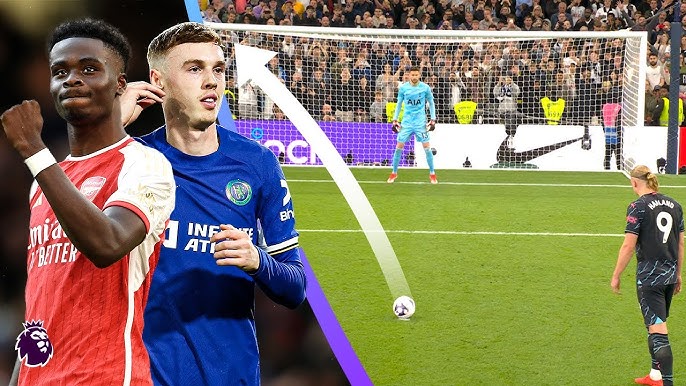
Penalty goals in the Premier League are rarely the result of chance alone. Teams that score from the spot more often tend to create repeatable situations inside the penalty area that force defensive errors. Understanding why these patterns form requires looking beyond raw totals and into how pressure, positioning, and decision-making interact.
What Frequent Penalty Scoring Really Represents
Frequent penalty goals indicate sustained box pressure rather than superior finishing. The cause is repeated defensive engagement under stress, the outcome is increased foul probability, and the impact is a higher number of penalties awarded over time.
This distinction matters because penalty frequency reflects attacking process, not referee generosity.
Attacking Styles That Increase Penalty Incidence
Certain attacking approaches naturally draw more fouls in dangerous zones. Direct ball progression and aggressive dribbling isolate defenders and compress reaction time.
Before listing the traits, it is important to recognize that penalties often occur when defenders are forced to choose between conceding space or committing contact.
- High volume of touches inside the penalty area
- Frequent one-on-one dribblers facing goal
- Cutback-focused wing play rather than early crosses
- Central overloads that force late defensive tackles
Interpreting these traits shows how attacking structure translates into foul exposure.
Player Profiles That Trigger Defensive Mistakes
Teams with frequent penalty goals often rely on attackers who invite contact. Low center of gravity, sharp directional changes, and ball shielding increase the chance of mistimed tackles.
Dribbling Versus Positioning in Penalty Creation
Dribbling draws reactive fouls, while positioning draws obstructive fouls. Dribblers force defenders into lunges, whereas well-positioned forwards provoke shirt pulls and late challenges. Both mechanisms produce penalties, but through different defensive failures.
This comparison explains why penalty-heavy teams vary stylistically.
Refereeing Interpretation and Game Tempo
Premier League refereeing tends to reward attacking initiative inside the box, especially at high tempo. Faster matches reduce defender control, increasing the likelihood of contact being penalized.
The impact is uneven across teams, favoring those who sustain speed and pressure rather than those who rely on low-tempo buildup.
Penalties as a Function of Match State
Teams chasing goals or protecting slim leads often see penalty frequency shift. Trailing opponents defend more desperately, while leading teams attract pressure that can flip momentum.
Rather than committing too early, analysts often track how penalty probability changes with scoreline and substitutions. During live monitoring through a football betting website connected to ufabet เข้าสู่ระบบ, observing increases in box entries, dribble attempts, and defender recoveries helps align process with pricing. When penalty-related markets tighten without a spike in shots, the implication is mounting foul risk driven by pressure rather than finishing volume. This environment highlights how penalties emerge from cumulative stress, not isolated incidents.
When Penalty Frequency Becomes Misleading
High penalty counts can overstate attacking dominance. One season of favorable calls or a small sample of matches can inflate totals without structural backing.
Misinterpretation occurs when penalty data is detached from underlying box activity and opponent behavior.
Comparing High-Penalty Teams to the League Average
A structured comparison clarifies how penalty-prone attacks differ from typical Premier League profiles.
| Dimension | High-Penalty Teams | League Average |
| Box touches per match | High | Moderate |
| Dribble attempts | Frequent | Balanced |
| Attacking tempo | Fast | Variable |
| Foul pressure inside box | Sustained | Intermittent |
Reading across the table shows that penalty frequency aligns with repeatable pressure metrics.
Summary
Premier League teams that score from penalties most often do so because of consistent attacking behaviors that force defensive errors. High box engagement, dribbling profiles, match tempo, and game-state pressure combine to increase foul probability. Penalty frequency reflects attacking process and defensive stress rather than randomness, making it a useful indicator when interpreted alongside underlying patterns rather than viewed in isolation.