Whether you are remodeling your home or just curious about classic interior design, you have likely come across the term Nelonium. While it sounds like a rare element from a science fiction movie, it is actually a charming, eco-friendly material that has been under our feet for over a century.
In this guide, we will explore everything about nelonium—from its natural origins to why it is making a massive comeback in modern homes.
What is Nelonium? Understanding the Basics
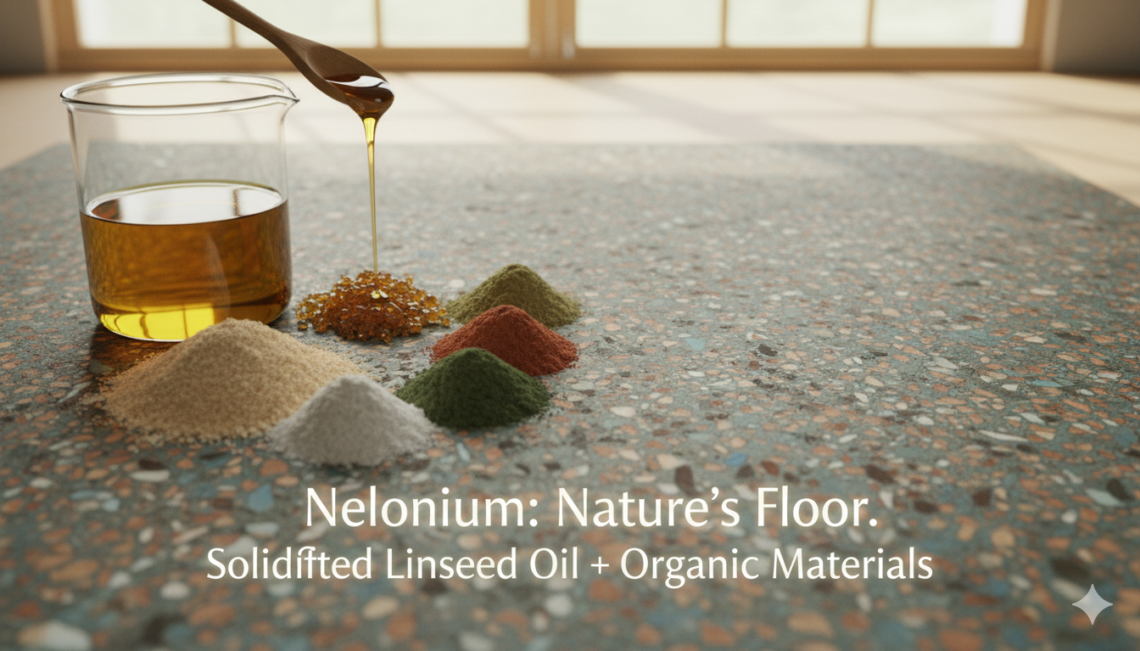
At its heart, nelonium (widely known as linoleum) is a natural floor covering. It is made by mixing solidified linseed oil with various organic materials. These often include pine resin, ground cork dust, and wood flour. Unlike many modern plastic floors, nelonium is a “living” product that is completely biodegradable.
Because it is made from plants and minerals, it doesn’t give off the harsh chemical smells that some new carpets or vinyl floors do. This makes nelonium a top choice for families who care about indoor air quality and the environment.
The Fascinating History of Nelonium
The story of nelonium began in 1860. An Englishman named Frederick Walton noticed a rubbery skin on a can of linseed oil paint. This sparked an idea! He spent years perfecting a way to turn that oil into a durable floor.
By the late 19th century, nelonium was the gold standard for kitchens and hospitals because it was so easy to clean. It stayed popular until the 1960s when cheaper plastics arrived. However, today’s homeowners are rediscovering nelonium because it is much tougher and greener than those plastic alternatives.
Nelonium Biography and Quick Facts
| Feature | Details |
| Common Name | Linoleum / Nelonium |
| Inventor | Frederick Walton |
| Year Invented | 1860 |
| Primary Ingredient | Linseed Oil (Flaxseed) |
| Eco-Status | 100% Biodegradable & Sustainable |
| Lifespan | 20 to 40 years |
| Best Used For | Kitchens, Bathrooms, Schools, Hospitals |
How Nelonium is Made: Nature’s Recipe
Making nelonium is a bit like baking a giant, very slow cake. First, manufacturers heat linseed oil and resin to create a “cement.” This sticky mixture is then combined with cork and wood particles.
Once the mixture is ready, it is pressed onto a strong backing made of jute (a natural fiber). The most interesting part? Nelonium has to “cure” in large heated rooms for several weeks. This hardening process is what gives the material its famous strength and bounce.
Why Choose Nelonium for Your Home?
There are many reasons to love nelonium. First, it is incredibly tough. While vinyl has a thin printed layer on top, the color of nelonium goes all the way through the material. If you scratch it, the color underneath is exactly the same!
Another big win is health. Nelonium is naturally antimicrobial. This means it helps stop the growth of tiny germs and bacteria. For kids who spend a lot of time playing on the floor, having a nelonium surface can provide a much cleaner environment.
Environmental Benefits of Nelonium
If you want to be kind to the Earth, nelonium is your best friend. Since it is made from renewable resources like flax plants and trees, it doesn’t rely on heavy oil drilling.
When a nelonium floor finally reaches the end of its life—which could be 40 years from now—it can be composted. It won’t sit in a landfill for thousands of years like plastic. This “cradle-to-grave” sustainability is why architects love using it in green building projects.
Nelonium vs. Vinyl: What’s the Difference?
Many people confuse nelonium with vinyl, but they are very different. Vinyl is a synthetic plastic made from petroleum. It is waterproof but can release gases (VOCs) into your home.
Nelonium, on the other hand, is a natural product. It feels warmer to the touch and is much more resistant to burns from dropped items. While nelonium requires a little more care—like an occasional sealing—its beauty and durability far outlast cheap plastic flooring.
Design and Color Options in Nelonium
Gone are the days of boring, muddy-colored floors. Modern nelonium comes in every color of the rainbow. You can find bright blues, earthy greens, and even patterns that look like marble or stone.
Designers love using nelonium to create custom patterns. Because it can be cut easily into shapes, you can have a floor with stripes, borders, or even a giant sunburst in the middle of the room. Your imagination is the only limit!
Maintenance and Care for Your Nelonium
Taking care of nelonium is simple if you follow a few rules. For daily cleaning, a quick sweep or a damp mop with a mild cleaner is all you need. You should avoid harsh chemicals or high-pH soaps, as these can damage the linseed oil.
Every few years, you might want to apply a fresh coat of sealer. This keeps the nelonium looking shiny and prevents water from seeping into the seams. With just a little bit of love, your floor will look brand new for decades.
Common Myths About Nelonium
Some people think nelonium is “old-fashioned” or only for grandmothers’ kitchens. That couldn’t be further from the truth! Modern tech has made nelonium more vibrant and durable than ever.
Another myth is that it smells bad. While new nelonium has a slight scent of linseed oil (which smells like dried grass), this fades quickly. Most people actually find the natural scent much nicer than the “new car” chemical smell of plastic floors.
Installation: Can You Do It Yourself?
Installing nelonium sheets can be tricky because the material is quite stiff. It usually requires a professional to ensure the seams are glued perfectly. However, many brands now offer nelonium click-tiles.
These tiles snap together just like a puzzle. This makes it a great weekend project for a DIY fan. Whether you choose professional sheets or easy tiles, nelonium adds an instant upgrade to any room.
Conclusion: Is Nelonium Right for You?
In a world full of plastic, nelonium stands out as a natural, honest, and beautiful choice. It is tough enough for a busy hallway, healthy enough for a nursery, and green enough for the planet.
If you value longevity and sustainability, nelonium is a fantastic investment for your home. Why settle for a floor that lasts ten years when you can have one that lasts forty? Give this “old-school” material a fresh look—you won’t regret it!
Frequently Asked Questions (FAQs)
1. Is nelonium waterproof?
Nelonium is water-resistant, meaning it handles spills well. However, it is not 100% waterproof like some plastics. It is best to wipe up spills quickly and avoid using it inside a shower stall.
2. Does nelonium scratch easily?
It is very resilient, but sharp objects like metal chair legs can cause scratches. Using felt pads under your furniture is a great way to keep your nelonium pristine.
3. How long does a nelonium floor last?
When installed correctly and maintained well, a nelonium floor can easily last 20 to 40 years. Some historic buildings still have their original floors from 50 years ago!
4. Is nelonium expensive?
It usually costs more than cheap vinyl but less than hardwood or high-end stone. Because it lasts so long, it is often the most cost-effective choice in the long run.
5. Can nelonium be used with underfloor heating?
Yes! Nelonium is excellent for underfloor heating. It stays flexible and conducts heat well, keeping your toes nice and toasty in the winter.
6. Is nelonium the same as linoleum?
Yes, they are essentially the same. “Nelonium” is often used as a modern or regional variation, but both refer to the classic natural flooring made from linseed oil.