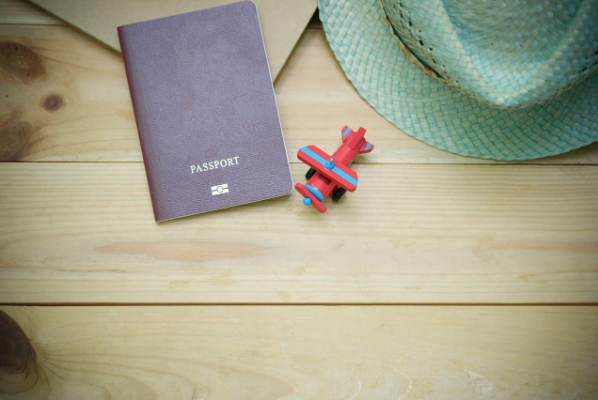
What is most often packed last but needed first by travelers? It isn’t the umbrella. Or the outlet adapter. It’s the plan that’s put in place for when things don’t go according to plan. The flight might be booked, the hotel confirmed and the boarding pass printed. But what is done when a bag is lost at baggage claim? Or when an Airbnb host cancels just as landing occurs?
Today’s travel is no longer defined only by the destination. It is shaped by how changes along the way are managed. With delays, cancellations, weather disruptions and rising costs, each trip is marked by new variables. Plans are not made just for enjoyment anymore. They are being built with disruption in mind.
The good news? The worst doesn’t have to be expected in order to be prepared for it. A safety net simply needs to be put in place before departure. And that doesn’t have to be made complicated.
In this blog, a flexible, modern travel safety strategy will be shared… one designed to protect your time, money and essentials without overpacking your carry-on.
Start With What Actually Needs Protecting
Forget the packing list for a second. Focus on what matters most. That usually starts with identity, money, gear and access. Can you verify who you are? Can you reach your bank? Can you find shelter if plans fall apart?
That’s why off-site protection matters. Your valuables don’t stop needing support just because you’ve stepped outside your front door. With renters insurance, coverage often goes beyond your apartment walls. There are policies that include off-premises protection. This means your laptop and headphones may still be covered if they’re lost, damaged or stolen while you’re away. It’s smart and affordable. Regardless of whether you’re across town or traveling halfway around the world. Visit https://www.sofi.com/online-insurance/renters-insurance/ for more information.
Let’s say someone swipes your camera from a hotel room. Or your phone gets taken from your backpack in a crowded market. If those items are covered, you won’t have to eat the entire replacement cost out of pocket. Even better, you can spend your energy enjoying the trip – and not fighting with receipts or stressing over ruined plans.
It’s one of those tools that sits quietly in the background but works hard the moment things go wrong.
Layer Your Financial Tools Like a Frequent Flyer
Flights are late. Bags get delayed. And your bank could flag your card at the worst time. That’s why smart travelers layer their payment options.
Start with two cards: a debit card from a no-fee checking account and a credit card that earns points or offers travel protection. If one is lost, blocked or stolen, you’re not stuck. Notify your card issuers about your trip ahead of time to avoid random freezes. Carry a small amount of cash for places that don’t accept cards.
If a big trip is being planned—whether a destination wedding, family reunion, or post-grad adventure—the financial pressure can be eased through travel loans. Instead of savings being wiped out, costs can be managed with a fixed-rate loan and predictable monthly payments. Care should be taken to keep it within budget. Through responsible borrowing, space is made for memory-making rather than money stress.
And while you’re thinking about money, double-check your financial apps. Set alerts for large charges. Keep a copy of your itinerary synced with your budgeting tools. The fewer surprises, the better.
Digital Prep Is Just as Important as Packing Cubes
In 2025, your phone is your map, bank, translator, ticket and camera. That’s a lot of responsibility for one device. Don’t leave it all up to battery life and signal strength.
Before you travel make sure you download offline maps and any local transit apps. Set up cloud backup for your photos. Use two-factor authentication tied to more than just your primary number. Also, store important documents, like your passport and insurance info, in a secure cloud folder. See to it that it is accessible from another device.
If your phone gets stolen or bricked, you don’t want to lose access to everything. So keep account credentials in a password manager. Oh and bring a printed copy of key info just in case.
Same goes for your identity documents. Scan your passport, driver’s license, health card and visa (if required). Print a few copies and stash them separately from the originals. That way, you can prove who you are even if your wallet doesn’t make the return flight.
A little digital prep goes a long way when the unexpected shows up.
Give Yourself Room to Breathe (Literally and Financially)
Admit it: It’s tempting to pack your itinerary tight. Hour-by-hour plans, multiple cities, nonstop activity. But a little space can be the difference between flexibility and burnout.
Build buffers into your schedule. Leave extra time for transfers. Give yourself an unplanned day in the middle of a longer trip. If something changes (and it probably will) you won’t be scrambling to rearrange everything.
That same mindset can be applied to bookings. Vendors with flexible cancellation policies should be prioritized. If a platform allows for last-minute changes, it should be preferred. Backups should also be kept in mind. A short list of nearby hotels or a second flight option can be kept ready to save hours when plans begin to unravel.
Plan for Comfort, Not Just Safety
Travel safety isn’t defined only by emergencies. It is also maintained by preventing small problems that might derail your day.
So pack a comfort kit: motion sickness tablets, lip balm, eye drops, a refillable water bottle, extra socks and, of course, snacks. They may not feel like much now. But, rest assured they’re what keep long days from getting longer.
Working while traveling? Back up important files and schedule buffer time between meetings. Traveling for an event? Print your tickets. Even better? Keep paper copies of confirmation numbers. Even if your phone dies or the Wi-Fi crashes you’ll still have access.
Comfort is also knowing what to expect. If you’re not reading up on local customs, tipping etiquette, emergency numbers and basic phrases… you’re not doing it right.
It’s not over-prepping. It’s owning your environment.
The bottom line? A good travel safety net doesn’t weigh you down. It frees you up.
When you know your stuff is protected, your finances are organized and your plans are flexible, you’re less likely to panic when things shift. You have space to laugh at the delays. Pivot when plans change. And actually enjoy the journey you worked so hard to plan.
Smart travel doesn’t mean perfect control. It means thoughtful prep, layered protection and the freedom to explore with confidence. Because the goal isn’t just to get there. It’s to come home with great stories—and nothing major to replace.
Leave a Reply