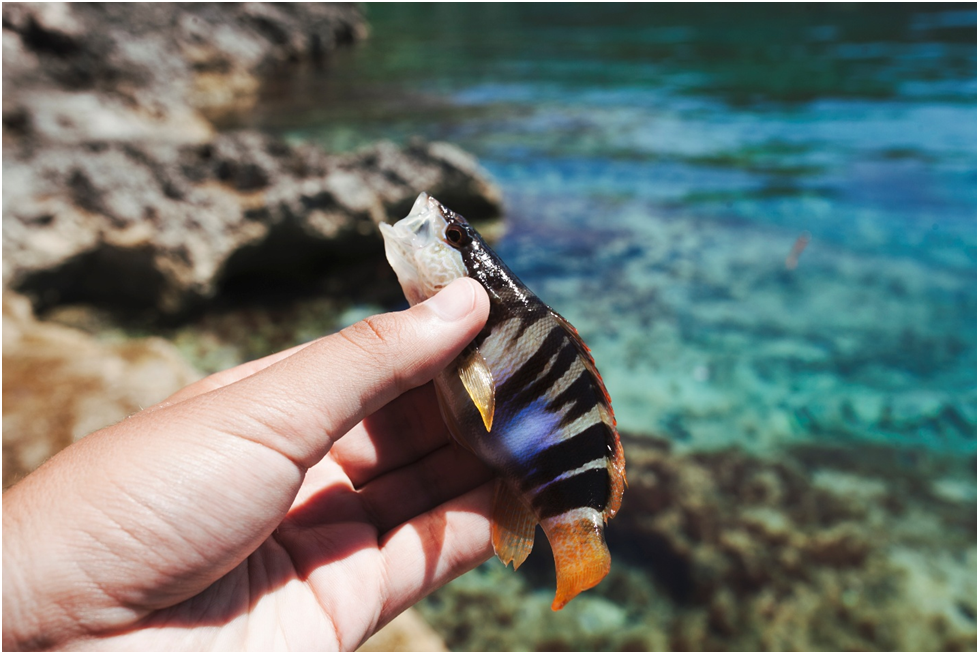
Australia’s coastline stretches over 25,000 kilometers, creating one of the most biodiverse marine environments on the planet. The waters surrounding this island continent host over 4,000 fish species, making it a bucket-list destination for anyone passionate about ocean life. Yet many travelers struggle to choose between the countless marine experiences available or miss peak seasons entirely.
Why Australia Stands Out for Marine Wildlife
The convergence of three major oceans (Pacific, Indian, and Southern) creates unique conditions along Australia’s coast. Warm tropical currents meet cooler southern waters, producing ecosystems that range from technicolor coral reefs to kelp forests teeming with seals and sea dragons.
According to the Australian Institute of Marine Science, the Great Barrier Reef alone supports approximately 1,625 fish species and 600 types of hard and soft coral. But the reef represents just one chapter in Australia’s marine story. Western Australia’s Ningaloo Reef, Tasmania’s kelp gardens, and South Australia’s temperate waters each offer distinct wildlife encounters that rival anything else on Earth.
The Ningaloo Coast: Where Giants Gather
The Ningaloo Reef runs 260 kilometers along Western Australia’s coastline and sits just meters from shore in some locations. This accessibility makes it unique among major reef systems. Between March and July, the reef becomes a gathering point for whale sharks, the world’s largest fish.
These gentle giants can reach lengths of 12 meters and weigh up to 21 tonnes. Despite their size, they feed primarily on plankton and pose zero threat to humans. The Ningaloo aggregation represents one of the most predictable whale shark gatherings globally, with success rates for encounters often exceeding 95% during peak season.
Swimming alongside these spotted behemoths creates a perspective-shifting experience. Their slow, deliberate movements and calm presence make each encounter feel unhurried and deeply memorable. Visitors looking to swim with whale sharks can do so through experienced operators such as Three Islands Whale Shark Dive, which runs guided tours that follow strict environmental guidelines designed to protect both the animals and their habitat.
Beyond whale sharks, Ningaloo hosts manta rays, humpback whales during their northern migration (June to November), and over 500 fish species. The reef’s proximity to shore means you can snorkel with sea turtles before breakfast, then spot dolphins from the beach after lunch.
The Great Barrier Reef: More Than Just Coral
Most people associate the Great Barrier Reef with colorful coral formations, but its wildlife diversity extends far beyond stationary polyps. The reef serves as a highway and nursery for numerous migratory species.
Dwarf minke whales visit the northern reef sections between June and August. These relatively small baleen whales (reaching 7 to 8 meters) show remarkable curiosity toward divers and snorkelers. Ribbon Reefs, located near Cairns and Port Douglas, offer some of the most reliable minke encounters anywhere.
Green and loggerhead turtles nest on reef islands throughout summer (November to March). Lady Elliot Island, at the southern end of the reef, consistently ranks among the best places to observe these reptiles. The island’s location at the convergence of warm and cool currents also attracts manta rays year-round.
Potato cod at Cod Hole near Lizard Island grow to over 100 kilograms and display surprising boldness around divers. These massive groupers have been interacting with humans at this site since the 1970s, creating one of the reef’s most iconic encounters.
South Australia’s Unexpected Marine Hotspots
While Queensland and Western Australia grab most marine wildlife headlines, South Australia quietly delivers some of the country’s most unique experiences.
The Eyre Peninsula hosts Australian sea lions at multiple locations. Hopkins Island, accessible via Port Lincoln, supports a breeding colony where pups play in the shallows and adults demonstrate remarkable agility underwater. Sea lions can dive to 275 meters and hold their breath for up to 12 minutes, though most recreational encounters happen in much shallower water.
Port Lincoln also serves as the departure point for great white shark cage diving. These apex predators gather near the Neptune Islands to hunt seal colonies. The controversial practice has sparked debate about conditioning sharks to associate boats with food, but operators maintain strict protocols and contribute to research programs.
Leafy sea dragons, South Australia’s marine emblem, inhabit temperate waters around Adelaide and the Fleurieu Peninsula. These otherworldly fish grow to 35 centimeters and move with hypnotic slowness through kelp forests. Their leaf-like appendages provide camouflage that makes them nearly invisible among vegetation. Rapid Bay Jetty and Second Valley consistently offer sightings for patient divers and snorkelers.
Tasmania: Cold-Water Wonderland
Tasmania’s chilly waters (averaging 12 to 17 degrees Celsius year-round) deter many visitors, but those who brave the cold discover an underwater landscape unlike anywhere else in Australia.
Giant kelp forests create three-dimensional habitats that rival any rainforest in complexity. These forests can grow up to 35 meters tall and support hundreds of species. Weedy sea dragons, cousins to South Australia’s leafy variety, patrol the kelp stalks hunting tiny crustaceans.
New Zealand fur seals establish colonies along Tasmania’s rocky coastline. Bicheno, on the east coast, offers shallow-water snorkeling encounters where seals demonstrate their aquatic prowess. These playful animals often approach snorkelers, barrel-rolling and blowing bubbles just centimeters away.
The Tasman Peninsula hosts rare encounters with smooth stingrays and eagle rays. Cathedral Cave, a massive underwater cavern, creates ethereal light effects while serving as a gathering spot for schools of striped trumpeter and old wives.
Timing Your Marine Adventure
Seasonal planning determines whether you witness extraordinary wildlife or miss key species entirely.
March to July represents prime time for whale shark encounters at Ningaloo. Coral spawning typically occurs in late March, triggering the plankton blooms that attract these giants.
June to November brings humpback whales along both east and west coasts as they migrate between Antarctic feeding grounds and tropical breeding waters. Hervey Bay in Queensland becomes a humpback nursery during August and September, with mothers teaching calves essential survival skills in protected waters.
November to March marks turtle nesting season on reef islands and mainland beaches. Mon Repos near Bundaberg hosts the southern hemisphere’s largest loggerhead turtle rookery, with nightly guided tours during peak season.
June to August offers the best conditions for dwarf minke whale encounters on the Great Barrier Reef’s northern sections.
Cooler months (May to September) provide the clearest water visibility in many regions, though this varies by location. Tasmania’s waters actually achieve peak clarity during summer (December to February) when plankton blooms subside.
Choosing the Right Location for Your Interests
Different regions cater to different experience levels and interests. Understanding these distinctions helps match your skills and goals with appropriate destinations.
Beginners and snorkelers thrive at locations like Ningaloo, where major attractions occur in shallow water near shore. You don’t need scuba certification to swim with whale sharks, manta rays, or sea turtles at most Ningaloo sites.
Intermediate divers find endless variety along the Great Barrier Reef. Sites range from shallow gardens at 5 meters to dramatic wall dives exceeding 30 meters. Most operators accommodate various skill levels on the same trip.
Advanced divers seeking unique challenges should explore South Australia’s wrecks and Tasmania’s kelp forests. These locations demand solid buoyancy control and comfort in cooler temperatures, but reward effort with experiences unavailable elsewhere.
For comprehensive trip planning that covers multiple regions and diverse marine encounters, resources like guides to the best diving holidays in Australia help navigate the overwhelming number of options and create efficient itineraries.
Environmental Considerations and Responsible Wildlife Tourism
Australia’s marine ecosystems face increasing pressure from climate change, pollution, and human activity. Responsible tourism practices help minimise individual impact while supporting conservation efforts.
Physical contact with marine life, including touching coral or chasing animals, causes stress and potential harm. Maintaining a respectful distance (at least 3 meters for most species) allows natural behavior to continue undisturbed.
Reef-safe sunscreen protects both your skin and marine life. Traditional sunscreens contain chemicals like oxybenzone and octinoxate that contribute to coral bleaching. Australian retailers now stock numerous reef-safe alternatives.
Many tour operators contribute portions of fees to research and conservation programs. Asking about these contributions before booking helps direct tourism dollars toward protecting the ecosystems that make these experiences possible.
The Australian Marine Conservation Society and Great Barrier Reef Marine Park Authority offer certification programs for operators meeting strict environmental standards. Choosing certified operators ensures your money supports businesses committed to sustainable practices.
Essential Preparation Tips
Physical preparation matters more than many people realise. Swimming with large marine animals in open water differs significantly from pool swimming. Building cardiovascular fitness and comfortable spending extended periods in water improves enjoyment and safety.
Equipment considerations vary by location and activity. Wetsuits are optional at tropical locations like Ningaloo during summer but essential in Tasmania year-round. Most tour operators provide quality rental equipment, but bringing your own mask ensures proper fit and comfort.
Underwater cameras capture incredible memories, but learning basic operation before your trip prevents wasting valuable water time. GoPros and similar action cameras offer simplicity and good results for most users. Practice in a pool or local swimming spot before attempting underwater photography in the ocean.
Travel insurance that covers water activities provides crucial protection. Standard policies often exclude scuba diving below certain depths or any water-based adventure activities. Specialised dive insurance costs surprisingly little and covers evacuation and treatment for diving-related injuries.
Making the Most of Limited Time
Most international visitors allocate one to two weeks for their Australian marine adventure. Maximising this time requires strategic planning.
Focusing on one or two regions rather than rushing between multiple locations produces better experiences. Travel days consume valuable time and budget that could go toward additional water activities.
Booking accommodations near departure points eliminates early morning drives and allows for multiple trips with the same operator. Exmouth, Port Douglas, and Lady Elliot Island all offer accommodation options within walking distance of tour operators.
Weather contingency planning proves essential, especially during shoulder seasons. Building flexibility into your itinerary allows for rescheduling if conditions turn poor. Most reputable operators offer rebooking options or refunds for weather cancellations.
Beyond the Water: Complementary Experiences
Australia’s marine destinations sit amid remarkable terrestrial landscapes worth exploring.
Cape Range National Park surrounds Exmouth and offers spectacular gorges, abundant wildlife, and camping opportunities. The contrast between red desert landscapes and turquoise ocean creates unforgettable scenery.
The Daintree Rainforest, near Port Douglas, represents one of the few places globally where two World Heritage sites meet (rainforest and Great Barrier Reef). Ancient rainforest tracks lead to secluded beaches where you can snorkel directly from shore.
Kangaroo Island, near Adelaide, combines marine encounters with opportunities to see kangaroos, koalas, and diverse birdlife. The island’s Seal Bay hosts one of Australia’s most significant sea lion colonies with beach access for close (but supervised) observations.
The Investment and Value Proposition
Marine wildlife experiences in Australia range from affordable to luxury pricing. Understanding cost structures helps budget appropriately.
Day trips for whale shark swimming typically run between $375 and $450 per person, including equipment, lunch, and multiple water entries. Multi-day liveaboard reef trips start around $1,200 and extend to $4,000+ for luxury vessels with extended itineraries.
Land-based diving holidays offer middle-ground pricing. Week-long packages including accommodation and daily diving usually cost $1,800 to $3,500 depending on location and accommodation standard.
These prices reflect the real costs of sustainable tourism. Fuel, equipment maintenance, staff training, and environmental compliance all factor into pricing. Choosing the cheapest operator often means compromising on environmental standards or safety protocols.
The value extends beyond the experience itself. Supporting sustainable marine tourism helps fund research, conservation, and local communities dependent on healthy ecosystems. Your participation contributes to protecting these environments for future generations.
Planning Your Journey Starts Now
Australia’s marine wildlife creates moments that reshape how you understand our planet’s oceans. Whether watching a whale shark glide past with effortless grace, playing with curious sea lions, or drifting through a technicolor coral garden, these experiences connect you to something larger than everyday life.
The question isn’t whether Australia’s waters deserve a spot on your bucket list, but rather which specific encounters call to you most strongly. Start researching seasonal patterns for your target species, compare operators committed to environmental stewardship, and build flexibility into your plans for weather and unexpected opportunities.
The ocean doesn’t wait for perfect timing. The whale shark you could swim beside this year might migrate through different waters next year. The seal colony you could visit today faces uncertain futures as climate patterns shift. These experiences exist right now, in this moment, waiting for you to take the first step toward making them reality.
Leave a Reply